Sri Lanka is no longer just somewhere people pass through for a holiday. It is becoming somewhere they stay, build routines, and quietly extend their lives in between work calls and slow mornings.
Remote work has changed how the island is experienced. What used to be a two-week itinerary has turned into months of settling in, learning local rhythms, and choosing places not for sightseeing, but for living.
This is no longer about escaping work. It is about relocating it.
The Rise Of The Stay Longer Traveller
Something subtle has shifted in the way people arrive in Sri Lanka. Short holidays still exist, but they are no longer the dominant pattern. Instead, you see freelancers booking month-long stays, remote employees structuring their year around seasons, and digital nomads returning to the same towns instead of constantly moving.
The island is no longer treated like a checklist of places to see. It is becoming a base you return to, again and again, until it starts to feel familiar.
Why Sri Lanka Works For Remote Work Right Now
Sri Lanka has not been designed as a remote work destination, yet it fits the lifestyle in a way few places do. The cost of living still allows long stays without pressure, and the geography means you can shift from coast to highlands in a few hours without losing connection to the country’s rhythm.
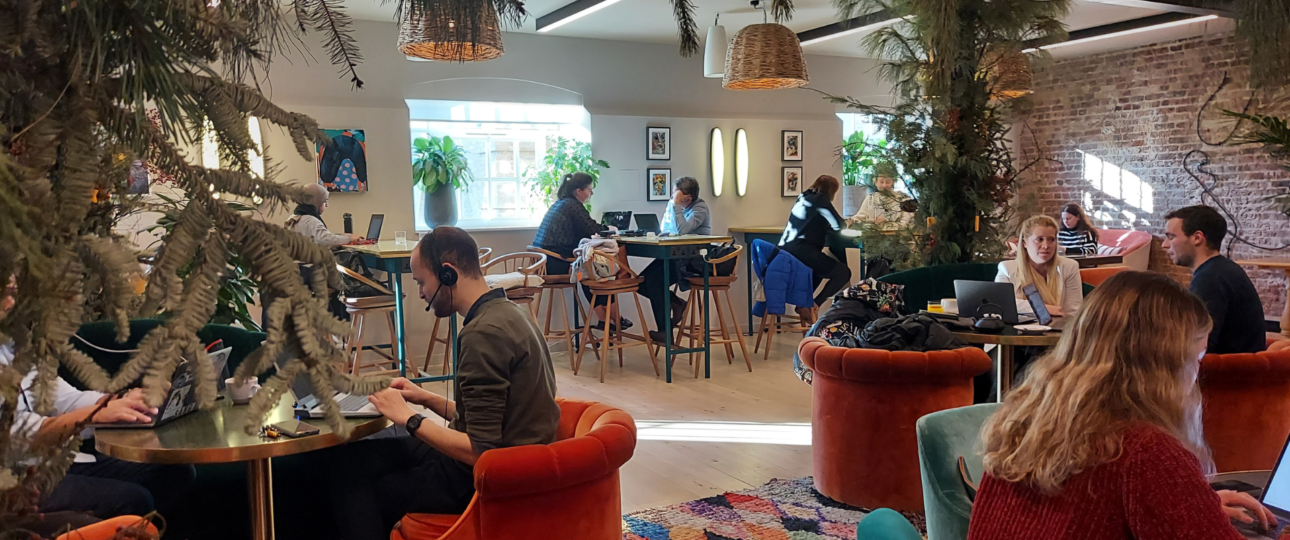
Cafés have naturally become informal workspaces, guesthouses have adapted to longer stays, and international communities have formed in key towns. It is not perfect infrastructure, but it is flexible enough to support a new way of living.
Colombo As The Functional Work Core
Colombo plays a very specific role in this ecosystem. It is not where most people fall in love with Sri Lanka, but it is where work feels the most stable.
The city offers reliable internet, co-working spaces, and a professional environment that allows you to focus without friction. It is the place where meetings happen on time, logistics are easy to manage, and life feels structured.
Most people do not stay here forever, but almost everyone passes through it when they need grounding.
The Coast Where Work And Life Start To Blur
Move south and the rhythm changes completely. In places like Galle, Weligama, and Ahangama, remote work becomes something softer and more fluid. Mornings often begin with cafés filling up quietly with laptops, followed by surf breaks that replace traditional lunch routines and afternoons that stretch without urgency.
There is a sense that people are not just working here, but living in between work sessions. Villas are shared across nationalities, cafés become repeat spaces, and routines form around ocean tides rather than office hours.
It stops feeling like travel and starts feeling like a temporary version of home.
The Highlands And The Slow Focus Effect
In contrast, the highlands offer a completely different kind of experience. Towns like Ella and Nuwara Eliya slow everything down in a way that naturally supports deep work and reflection.
The cooler climate changes your energy, the quieter surroundings reduce distraction, and the landscape itself creates a sense of distance from urgency. Work here feels less fragmented and more contained, as if time stretches differently when you are surrounded by mist and mountains.
It is not about productivity tools. It is about environment shaping attention.
The Real Infrastructure Is Still Informal
What makes Sri Lanka interesting as a remote work destination is that the infrastructure is not fully formalised. It is still built through cafés that welcome long stays, guesthouses that adjust to monthly guests, and communities that share information through experience rather than systems.
WiFi can vary, spaces are not always designed for work, and yet it functions because it is adaptable. Nothing is rigid, which is exactly why it works for people who are also trying to live more flexibly.
The Real Shift Is How People Work, Not Where
The biggest change is not geographical. It is behavioural.
Remote workers in Sri Lanka start to slow their schedules without noticing it. They reduce over-planning, adapt to natural light, structure work around weather and energy, and slowly shift from constant movement to consistency.
The island does not force this change. It encourages it quietly through rhythm.
Insider Tip
Do not choose your base based on popularity or social media trends. Choose it based on how you actually work.
If you need structure and routine, Colombo will support you. If you want balance between work and social life, the south coast will feel natural. If you need deep focus and fewer distractions, the highlands will quietly reshape your working style.
The wrong place feels exciting at first, then draining. The right place disappears into your daily life.
Sri Lanka’s Remote Work Identity Is Still Emerging
Sri Lanka is not a finished remote work destination. It is still forming through people who arrive, stay longer than expected, and slowly build their own version of what living and working here looks like.
What exists now is a mix of infrastructure, improvisation, and evolving communities. And that is exactly what makes it interesting.
You are not stepping into a system. You are stepping into something that is still becoming.