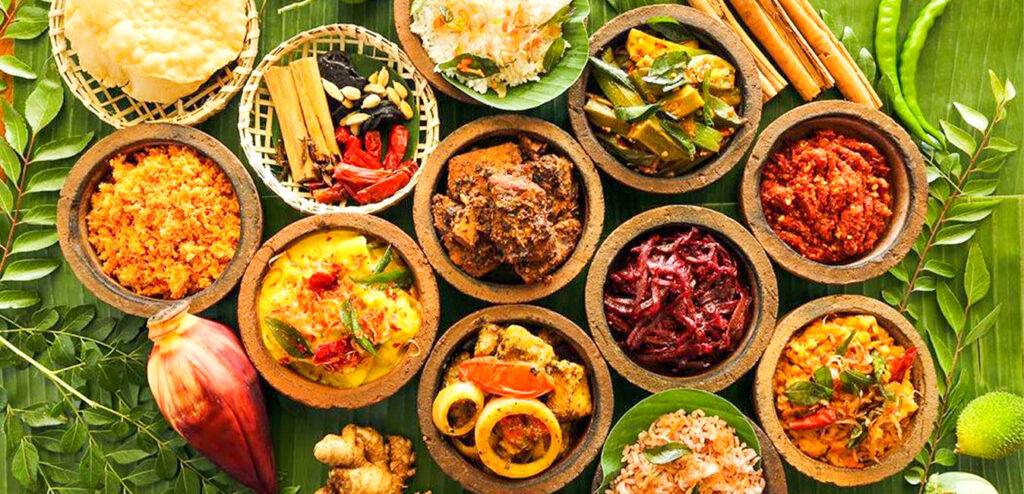
Forget everything you think you know about curry. We are taking you beyond the generic hotel buffet. You want the real soul of the island. You want the heat, the crunch, and the creamy coconut finish. We have mapped out the elite bites that define the culinary landscape in 2026.
This is not just a meal. This is a sensory explosion. People often ask us one question before they land.
1. Hoppers
Imagine something like a savory crepe with a crispy gold rim and a soft, pillowy center. This is the Hopper. It is the undisputed king of famous food of Sri Lanka. Local masters swirl fermented rice flour and coconut milk in a small “thachchi” wok. The result is a bowl-shaped edible vessel. We recommend the “Egg Hopper” for a rich, runny yolk experience.
Who: Skilled street vendors and boutique hotel chefs.
What: A bowl-shaped fermented rice flour and coconut milk pancake.
When: Traditionally served during breakfast or dinner (6:00 PM onwards).
Where: Street stalls in Galle or high-end spots like Kaema Sutra in Colombo.
Why: To experience the perfect contrast between a crunchy crust and a soft sponge center.
To make it extra Lankan!
Always order your egg hoppers last. You want the center to be steaming hot. Pair it with a dollop of Lunu Miris, which is a fiery onion and chili relish. It provides the perfect acidic kick to the creamy coconut base.
2. Jaffna Crab Curry
If you want to test your limits, head north. The Jaffna Crab Curry is legendary for a reason. It uses blue swimmer crabs caught fresh from the lagoon. The spice blend involves toasted cumin, fennel, and a heavy hand of dark roasted curry powder. If you are still wondering is Sri Lankan food spicy, this dish will provide the definitive answer.
Who: Seafood lovers and adventurous spice seekers.
What: Fresh lagoon crab simmered in a dark, intense roasted spice gravy.
When: Ideally enjoyed during a long, slow lunch.
Where: Jetwing Jaffna or authentic family-run eateries in the Northern Peninsula.
Why: To taste the unique, earthy heat of the “Jaffna Curry Powder” blend.
To make it extra Lankan!
Authentic Jaffna curry often includes Murunga (drumstick) leaves. They add a unique earthy bitterness. Do not discard them. Eat them with the gravy for the full medicinal and flavor profile.
3. Kottu Roti
You will hear this dish before you see it. It is the ultimate late-night fuel. Chefs chop flatbread, vegetables, eggs, and meat on a metal griddle with two rhythmic blades. It is a loud, metallic symphony. This is the most famous food of Sri Lanka for the after-hours crowd. It represents the chaotic energy of Colombo in a single bowl.
Who: Hungry travelers and locals looking for a midnight feast.
What: Chopped Godhamba roti mixed with meat, eggs, and spicy gravy.
When: Peak hours are 7:00 PM until 2:00 AM.
Where: Hotel de Pilawoos or Plaza in Colombo is the classic choice.
Why: To witness the rhythmic “kottu” performance and enjoy the ultimate comfort food.
To make it extra Lankan!
Order the Cheese Kottu, if you want to temper the heat. They use creamy triangles of Happy Cow cheese. It melts into the spicy gravy and creates a silkiness that is JUST purely addictive.
4. Pol Sambol
Show stopper! No plate of Sri Lankan traditional food is complete without this. It is a simple scrape of fresh coconut, dried chilies, lime, and red onions. Do not let the simplicity fool you. It provides the essential balance to every meal. We consider it the backbone of the island’s flavor profile. It brings a tropical freshness that cuts through heavier meat curries.
Who: Every household cook and professional chef across the island.
What: A fresh coconut relish ground with chili, lime, and red onion.
When: Served with every meal from dawn to dusk.
Where: Found in every “Rice and Curry” joint nationwide.
Why: To add a zesty, textural kick that brightens any savory dish.
To make it extra Lankan!
Traditional recipes include cured, sun-dried tuna flakes. This adds a deep umami funk. If you are vegan, ensure you ask for the version without “Maldive Fish” as it is a common hidden ingredient.
5. Ambul Thiyal
This is sour fish curry at its finest. It originated as a way to preserve tuna without refrigeration. The secret is “Goraka,” a sun-dried fruit that looks like a small black pumpkin. It creates a tart, smoky coating on the firm cubes of fish. This is a cornerstone of Sri Lankan traditional food in the Southern provinces. It is dry, dark, and incredibly intense.
Who: Southern fishing communities and heritage food enthusiasts.
What: Firm cubes of tuna dry-cooked in a peppery, sour Goraka paste.
When: Best enjoyed during lunch (12:00 PM – 3:00 PM).
Where: Boutique villas or local home-stays in Mirissa and Galle.
Why: To experience the ancient island method of preserving fish through acidity and spice.
To make it extra Lankan!
A perfect Ambul Thiyal should not be “saucy.” The spice paste should cling to the fish like a second skin. It is even better the next day after the flavors have fully penetrated the protein.
6. Lamprais
History on a plate. This dish comes from the Dutch Burgher community. It consists of rice, three meats, “frikkadels” (meatballs), and a shrimp paste, all wrapped in a banana leaf and baked. The leaf infuses the rice with a tea-like aroma. It is the most sophisticated famous food of Sri Lanka. It requires hours of preparation and a deep respect for tradition.
Who: Food historians and those seeking a refined, multi-layered meal.
What: Rice and specialized curries slow-baked inside a banana leaf.
When: Traditionally a Sunday family lunch staple.
Where: The Dutch Burgher Union or specialized home-cooks in Colombo.
Why: To taste the culinary fusion of European heritage and tropical ingredients.
To make it extra Lankan!
A true Lamprais must include twice-cooked ash plantain. It adds a starchy sweetness that balances the savory meat. If it is missing, you are eating a fake.
7. Watalappam
Even the desserts carry a kick of spice. This steamed custard uses “Kithul” jaggery (palm sugar), coconut milk, and a heavy dose of cardamom and nutmeg. It is the classic ending to a feast of sri lankan traditional food. It is rich, dark, and carries a nutty crunch from roasted cashews on top.
Who: Dessert lovers and those wanting to soothe a spicy palate.
What: A spiced coconut custard sweetened with dark palm sugar jaggery.
When: The perfect conclusion to a large lunch or dinner feast.
Where: Fine dining establishments in Kandy or Colombo.
Why: To enjoy a dessert that balances sweetness with complex aromatic spices.
To make it extra Lankan!
Look for small air bubbles in the custard. This indicates it was steamed perfectly. A smooth, flat Watalappam usually means it lacks that light, spongy texture that defines the best versions.
Verdict on the Heat
So, we return to the big question. Is Sri Lankan food spicy? Yes, but it is a complex heat. It is not just about burning your tongue. It is about layers of black pepper, green chilies, and roasted red powders. Each spice serves a purpose. The coconut milk and lime juice act as the cooling agents that keep you coming back for more.
You cannot claim to have seen the island until you have sweated over a plate of black pork curry. You must feel the zing and the tingle in your nose. This is the famous food of Sri Lanka in its rawest form. It is a culinary identity built on trade, spice, and sun.
The Technique
When you sit down for Sri Lankan traditional food, forget the fork. Use your right hand. Mix the rice with the various dhal and vegetable curries. This creates a unique flavor profile in every single bite. The locals know that the tactile experience enhances the taste.
Still worried about the burn? When people ask if Sri Lankan food is spicy, we always tell them to keep a piece of plain “roti” or extra rice nearby. Never drink water to put out a chili fire. Reach for a spoonful of curd and honey instead. It is the local secret for a quick recovery.
We have just scratched the surface of this island’s pantry. The culinary scene in 2026 is exploding with modern twists on these classics. We are seeing Hopper Tacos and Ambul Thiyal Carpaccio in the trendy corners of Colombo. But the heart of the kitchen remains unchanged. It is still about the fire, the coconut, and the spice.
Credits: https://ceyvista.com/wp-content/uploads/2023/08/food-1024×494.jpg