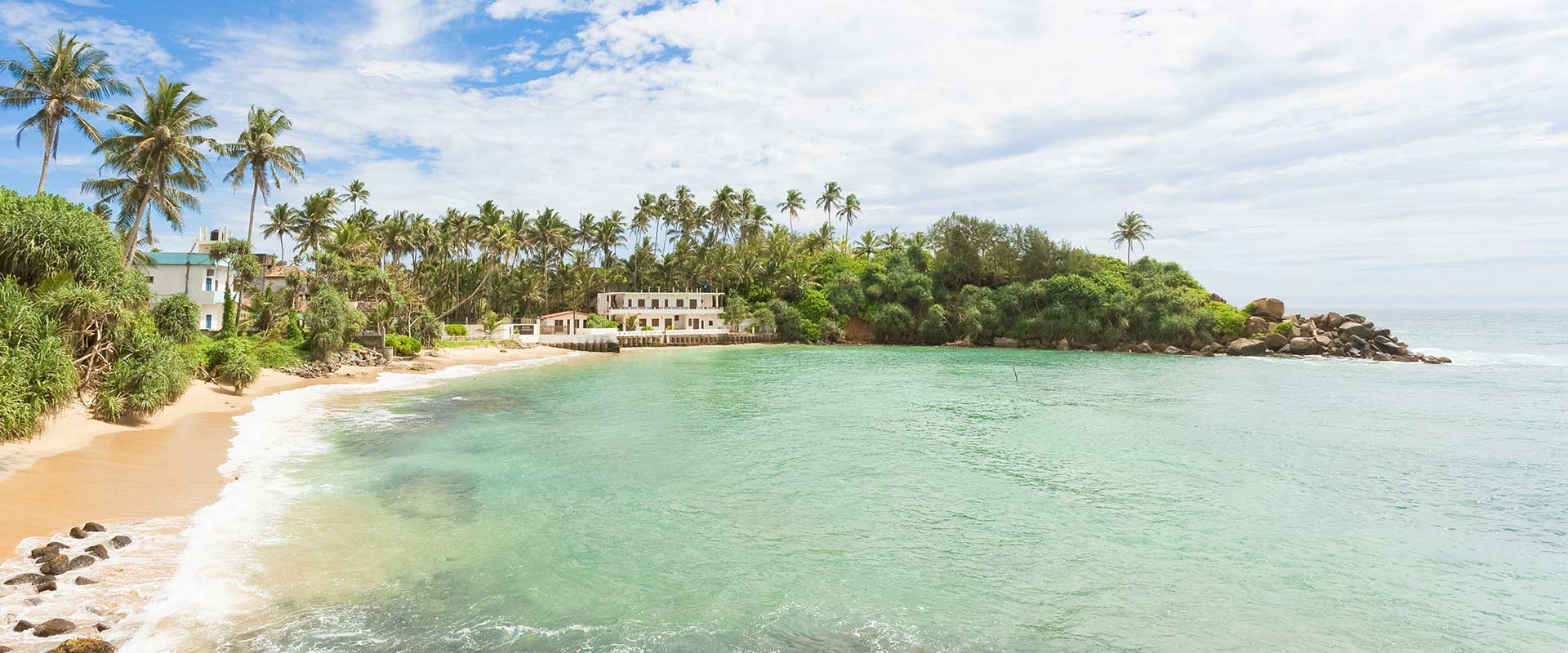
There is a shift happening along Sri Lanka’s southern coastline, and it is no longer just about traditional beach tourism. Ahangama has quietly evolved into a space where creativity, surf culture, and modern travel lifestyles collide. What used to be a sleepy coastal stretch is now one of the most talked-about destinations among surfers, digital nomads, designers, and travelers looking for something beyond the typical itinerary.
Ahangama is not trying to be the most famous place in Sri Lanka. That is exactly why it is becoming one.
It offers something more valuable than landmarks or resort brochures: atmosphere. A living, breathing energy that changes depending on the time of day, the tide, and the people passing through.
The Energy That Defines the Coast
The first thing you notice is not a single landmark, but a feeling.
Arriving in Ahangama, whether by train rolling along the southern line or by road from Galle, you step into a different rhythm. The pace is slower, but the energy is sharper. There is movement everywhere, but none of it feels forced.
Music drifts out of open-air cafés tucked behind palm trees. Surfboards lean casually against wooden walls. Scooters and custom bikes line sandy paths. Everything feels intentional but unpolished in the right way.
Ahangama thrives on contrast. One moment you are in a minimalist café with espresso machines humming and laptops open, and the next you are walking barefoot toward the ocean, where surfers are reading waves like second nature.
At night, the energy shifts again. Jungle villas come alive with low lighting, conversations spill into open gardens, and music blends into the sound of crickets and crashing waves. Nothing feels overly commercialized. It feels discovered rather than designed.
A Creative Community, Not Just a Destination
What separates Ahangama from other coastal towns is not just its scenery, but its people.
This is not a place where travelers simply pass through. Many stay longer than they planned. Some return season after season. Others build lives here.
The result is a rare mix of communities: surfers who know every break along the coast, designers working remotely from beachfront cafés, photographers chasing light across the shoreline, and entrepreneurs building quiet, creative projects in between swims and sunsets.
Conversations here feel different. You might sit at a shared table and find yourself talking to someone designing architecture in Europe, someone else running a surf brand, and a local who has lived by the ocean their entire life. There is no hierarchy in these spaces, just exchange.
That blend creates something powerful: a cultural ecosystem that is both global and deeply local at the same time.
It is not polished. It is not curated for tourists. And that is exactly why it feels real.
Surf Culture at the Center of Everything
Ahangama’s identity is inseparable from the ocean.
Surfing is not an activity here, it is a language. Early mornings belong to the surfers who read the ocean before most of the town wakes up. Boards under arms, they move through quiet sandy paths toward breaks that range from beginner-friendly waves to more challenging reef setups.
But even if you never step on a board, surf culture still shapes the experience. It influences the cafés, the fashion, the architecture, and even the conversations you overhear.
People plan their days around tide charts instead of clocks. Time becomes flexible. Life becomes responsive to nature again.
That shift alone is one of the reasons many travelers describe Ahangama as transformative. It breaks routine in a way that feels effortless.
The Hidden Layer Most Visitors Never Expect
Beyond the surf and cafés, Ahangama has another identity that reveals itself slowly.
There are hidden paths that lead through coconut groves. Small, unmarked entrances that open into boutique spaces, private villas, or quiet stretches of beach where you might not see another person for hours.
There is also a growing creative nightlife scene, small, unadvertised gatherings in jungle spaces or coastal properties where music is less about volume and more about atmosphere. Nothing is overproduced. Everything feels temporary, like it belongs exactly to that moment and nowhere else.
This hidden layer is what gives Ahangama its reputation among repeat visitors. It rewards curiosity. It does not reveal itself all at once.
The Slow Luxury of Everyday Life
Luxury in Ahangama is not loud. It is not about excess or branding.
It is found in slower mornings with strong coffee and ocean air. It is in barefoot walks back from the beach. It is in long conversations that stretch into sunset without anyone checking the time.
Even the accommodation reflects this shift. Instead of large resorts dominating the coastline, there are small villas, boutique stays, and design-focused spaces that blend into the environment rather than overpower it.
The experience is less about consumption and more about presence.
Sunset: The Moment Everything Makes Sense
As the day ends, Ahangama reveals its strongest identity.
The coastline becomes quiet in a way that feels intentional. The sky shifts through deep oranges, soft purples, and fading golds. The ocean holds a stillness that feels almost reflective.
People gather without planning to. Some sit on rocks, others on sand, some simply stand and watch.
This is when Ahangama feels most memorable not because something is happening, but because everything slows down enough for you to notice it.
These are the moments that stay long after you leave. Not monuments. Not attractions. Just light, water, and time passing differently than it does elsewhere.
Why Ahangama Stays With You
Ahangama is not trying to impress you. That is its strength.
It does not rely on landmarks or curated experiences. Instead, it builds memory through atmosphere, repetition, and feeling. It becomes less of a destination and more of a reference point, somewhere your mind returns to when you think about how life could feel when it is less rushed.
It is a place where travel stops feeling like escape and starts feeling like alignment.
And that is why people don’t just visit Ahangama once.
They return. Or they try to recreate it somewhere else and fail.
Because places like this are not easily replicated.
Credits: https://www.trilanka.com/wp-content/uploads/2024/12/Ahangama-Sri-Lanka-1920×800-1.jpg